

How to Budget for Medical Curtains in Healthcare Facilities
Updated: Mar 3
Understanding the True Cost of Medical Curtains
Budgeting for medical curtains involves more than comparing fabric prices. Healthcare facilities must account for the full lifecycle of the system, including hardware, installation, maintenance, laundering, and replacement schedules.
While curtains may seem like a small operational expense, they are installed throughout patient rooms, treatment areas, emergency departments, and specialty clinics. Small cost differences can scale significantly across a facility.
Material Costs: Disposable vs Reusable
One of the first decisions impacting budget is whether to choose disposable or reusable medical curtains.
Reusable curtains typically have a higher upfront cost but can be laundered and reused multiple times. Facilities with in-house laundry services often find this approach cost-effective over time.
Disposable curtains usually have a lower upfront cost and eliminate laundering expenses. They may be more practical in isolation rooms or high-risk areas where frequent replacement is required.
Explore options:https://www.hospitalcubiclecurtains.com/disposable-curtains
Facilities should compare annual replacement frequency when evaluating which option offers the best return.
Hardware and Track System Investment
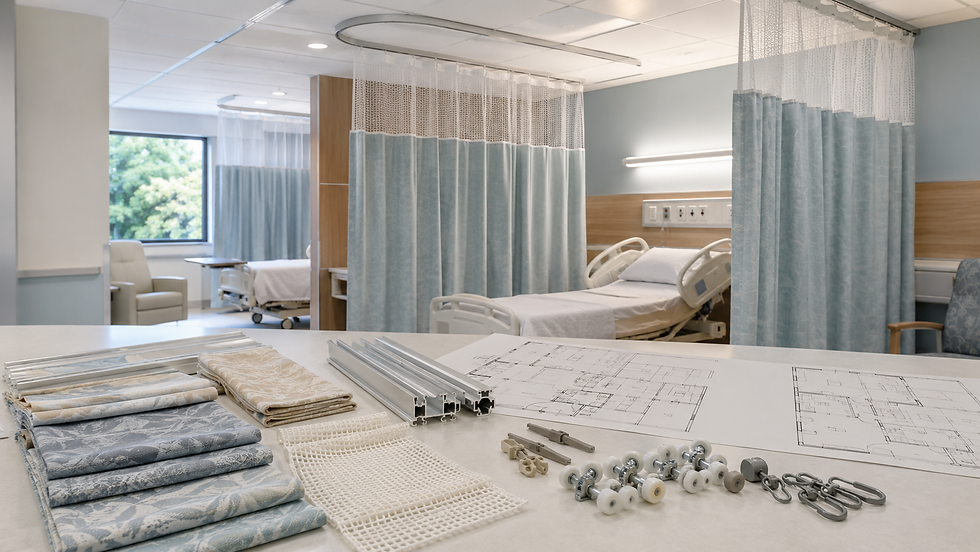
Curtain budgeting must include track systems and mounting hardware. Ceiling-mounted systems often cost more initially but provide better durability and coverage.
Lower-cost hardware may result in higher maintenance expenses due to breakage or wear. Investing in durable carriers, brackets, and track components can reduce long-term replacement costs.
View hardware solutions:https://www.hospitalcubiclecurtains.com/hardware
Modern quick-change systems may carry a slightly higher upfront cost but reduce labor expenses during replacement.
Installation and Labor Considerations
Installation costs vary depending on facility size and room layout. Retrofitting older spaces may require additional structural adjustments or ceiling reinforcement.
Facilities should budget for professional installation when necessary, especially to ensure compliance with fire safety codes and sprinkler clearance requirements.
Improper installation can lead to curtain damage, safety hazards, or regulatory issues, which may create unexpected expenses later.
Maintenance and Replacement Planning
Medical curtains must be replaced periodically to maintain hygiene standards. The replacement schedule depends on usage, department type, and infection control policies.
Facilities that fail to plan for routine replacement often face reactive purchasing decisions, which can increase costs. Creating a scheduled rotation program helps maintain predictable budgeting.
Compliance and Safety Requirements
All medical curtains must meet fire safety standards such as NFPA 701. Non-compliant curtains may need to be replaced prematurely, increasing overall expenses.
Budget planning should include verifying compliance certifications and maintaining documentation for inspections.
Lifecycle Cost Analysis
A lifecycle cost approach evaluates total ownership expenses over several years rather than focusing solely on initial purchase price.
For example:
Higher-quality antimicrobial curtains may cost more upfront
Reduced infection risks may lower indirect healthcare costs
Durable hardware reduces repair frequency
Quick-change systems reduce labor time
This broader perspective often leads to better purchasing decisions.
Balancing Budget with Patient Experience
Curtains contribute to patient privacy, comfort, and overall satisfaction. Facilities should avoid selecting options based solely on cost if it compromises safety or durability.
High-quality medical curtains improve both operational performance and patient perception of cleanliness.
To review available options and request pricing information, visit:




Comments